 Image 1 of 1
paperback, 10 chapters, 110 pages
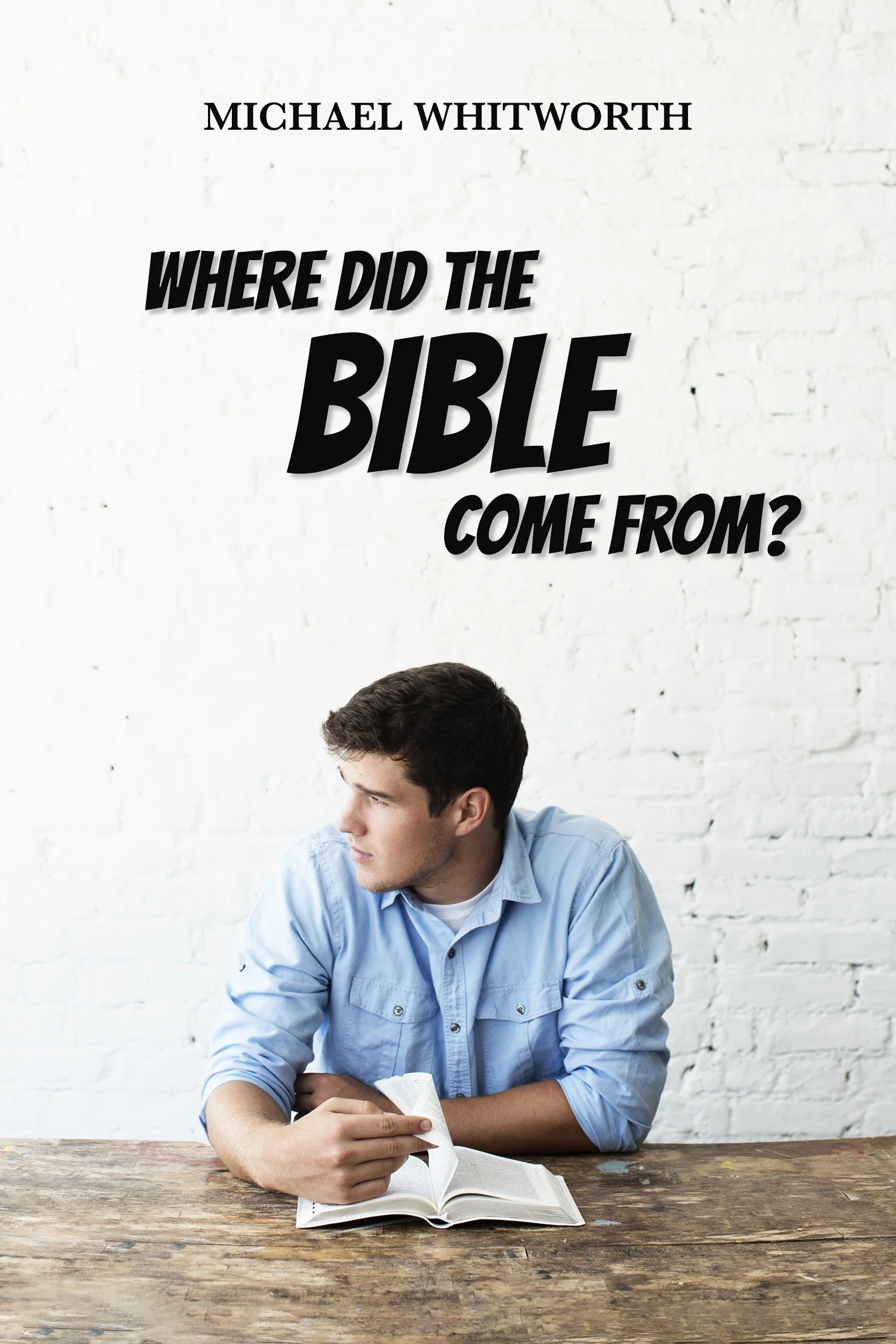
Most Christians read the Bible every week and have no idea how it got to them.
Sooner or later, every young Christian hears it: a Roman emperor put the Bible together, books were secretly left out, it has been copied and translated so many times that nothing of the original survives. These claims get repeated with total confidence by people who have never checked them. Where Did the Bible Come From? checks them.
The book walks the whole trail backward, one clear step at a time. It begins with what the Bible claims about itself, then travels to the stone tablets, clay, papyrus, and leather scrolls of the Old Testament, and to the question of how Israel knew which books were Scripture. It explains fairly and firmly why the Apocrypha is not in the Bible. Then it crosses into the New Testament: why Jesus wrote nothing and trained twelve men instead, how the apostles' letters were copied and passed from town to town, how the church came to recognize exactly twenty-seven books, and what happened to the popular books and outright forgeries that did not make it. From there it follows fourteen centuries of scribes copying by hand, the discovery of the Dead Sea Scrolls, and William Tyndale's costly fight to give an ordinary plow boy the Bible in English.
Real history, told as a story. Every chapter opens with a hook from a classic film or book and moves through the evidence with names, dates, and discoveries a young reader will remember.
Answers to the questions they will actually hear. The Council of Jamnia, the Apocrypha, the "lost books of the Bible," the Gospel of Thomas, and the claim that councils invented the canon are each met head on.
Built for study. Four practical takeaways and five discussion questions close every chapter, ready for Bible class, family devotions, or personal study.
The evidence for how we got the Bible is genuinely strong, and the more a young person knows about it, the steadier they will stand. But this book does not stop at evidence. It shows the long line of ordinary people, most of them nameless, who paid dearly to hand these words to the next generation, and it asks every reader to pick up the book those people carried and read it for themselves.
Where Did the Bible Come From? joins the growing Start2Finish series of Bible studies that help young readers understand what they believe and why it matters.
paperback, 10 chapters, 110 pages
Most Christians read the Bible every week and have no idea how it got to them.
Sooner or later, every young Christian hears it: a Roman emperor put the Bible together, books were secretly left out, it has been copied and translated so many times that nothing of the original survives. These claims get repeated with total confidence by people who have never checked them. Where Did the Bible Come From? checks them.
The book walks the whole trail backward, one clear step at a time. It begins with what the Bible claims about itself, then travels to the stone tablets, clay, papyrus, and leather scrolls of the Old Testament, and to the question of how Israel knew which books were Scripture. It explains fairly and firmly why the Apocrypha is not in the Bible. Then it crosses into the New Testament: why Jesus wrote nothing and trained twelve men instead, how the apostles' letters were copied and passed from town to town, how the church came to recognize exactly twenty-seven books, and what happened to the popular books and outright forgeries that did not make it. From there it follows fourteen centuries of scribes copying by hand, the discovery of the Dead Sea Scrolls, and William Tyndale's costly fight to give an ordinary plow boy the Bible in English.
Real history, told as a story. Every chapter opens with a hook from a classic film or book and moves through the evidence with names, dates, and discoveries a young reader will remember.
Answers to the questions they will actually hear. The Council of Jamnia, the Apocrypha, the "lost books of the Bible," the Gospel of Thomas, and the claim that councils invented the canon are each met head on.
Built for study. Four practical takeaways and five discussion questions close every chapter, ready for Bible class, family devotions, or personal study.
The evidence for how we got the Bible is genuinely strong, and the more a young person knows about it, the steadier they will stand. But this book does not stop at evidence. It shows the long line of ordinary people, most of them nameless, who paid dearly to hand these words to the next generation, and it asks every reader to pick up the book those people carried and read it for themselves.
Where Did the Bible Come From? joins the growing Start2Finish series of Bible studies that help young readers understand what they believe and why it matters.