
The Long Walk Between Birth and Death
Genesis 5
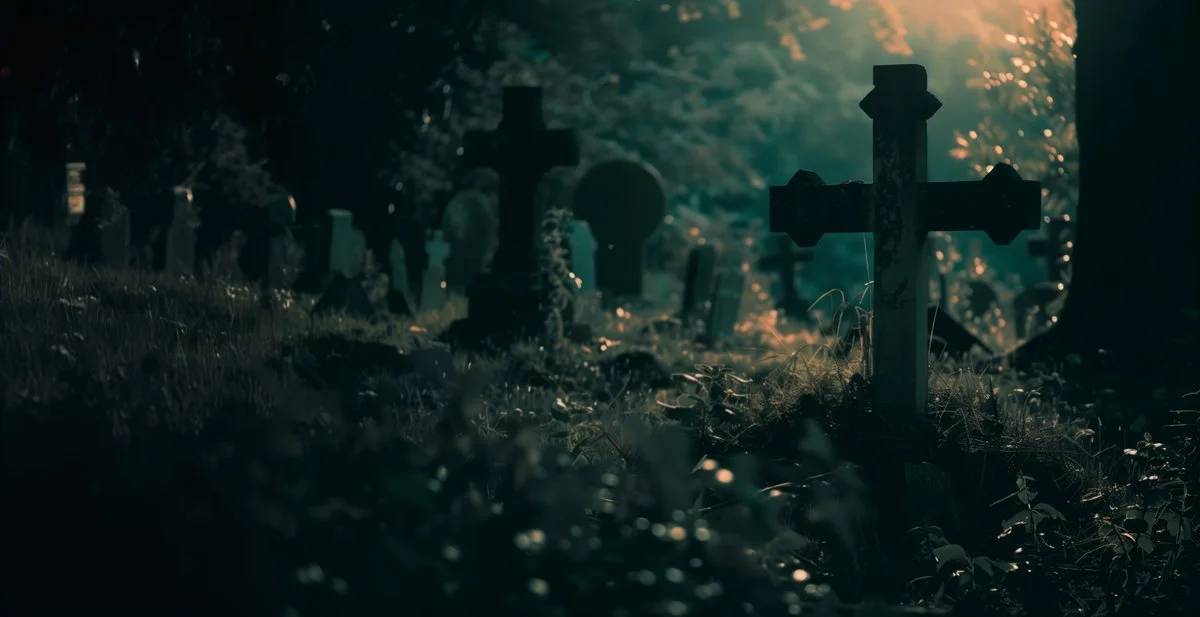
Genesis 5 is not the chapter most readers linger over. It looks like a family tree, reads like a census report, and repeats the same quiet phrase again and again: “and then he died.” If Genesis were a movie, this is the scene many people fast-forward through.
But Genesis 5 is doing far more than recording ages. It is preaching—slowly, patiently, and with surprising hope.
The chapter opens by reaching backward. Humanity was created in the likeness of God. That truth has not been erased by sin. It has been damaged, distorted, and complicated—but not deleted. Even after Eden, people still bear God’s image. Genesis refuses to let us forget that.
Then the names begin.
Adam fathers Seth. Seth fathers Enosh. And generation after generation follows. Each life is summarized in a few lines: they lived, they had children, they lived some more—and then they died. The rhythm is relentless. No heroics. No escape. Death has entered the story, and it keeps its appointments.
That repetition is not dull; it is honest. Genesis is teaching us that sin’s consequences are not dramatic explosions so much as a long, slow slog to decay. Life goes on. Children are born. Work continues. And death quietly claims every generation.
Except one.
Halfway through the list, the rhythm breaks. Enoch appears, and the text changes its tone. Instead of simply living and dying, Enoch “walked with God.” It does not say Enoch was famous, powerful, or impressive. It says he walked. Faithfulness is pictured as steady companionship, not spiritual flash.
And then comes the shock: Enoch does not die.
He walks with God, and then he is gone—taken by God. Genesis does not explain how. It does not speculate. It simply states it and moves on. The point is not the mechanism; it is the interruption. In a chapter dominated by death, God inserts a quiet protest. Death is real, but it is not ultimate.
Then the list resumes.
More births. More years. More deaths. Until the final name appears: Noah. His father names him with hope, believing this child will bring relief from the curse that burdens the ground. That hope may be larger than his father understands, but it is not misplaced. Genesis 5 ends by pointing forward. God is not finished writing the story.
This chapter reminds us that faithfulness often looks painfully ordinary. These people lived long lives, raised families, worked the ground, and died. Most of them never saw resolution. Most of them never experienced deliverance. But they passed on the name of God anyway. That matters more than we often realize.
Genesis 5 is not about how to avoid death. It is about how to live faithfully in a world where death is unavoidable. It teaches us that obedience does not always produce immediate results, but it always participates in a larger story.
And tucked quietly into the genealogy is another reminder: Adam’s likeness is passed on to his children. The image of God continues, but now it travels through brokenness. We are born into both dignity and mortality. We carry glory and dust at the same time.
If you feel discouraged by the ordinary rhythm of life—work, responsibility, aging, loss—Genesis 5 speaks gently to you. Faithfulness is not measured by how visible your impact is, but by whether you keep walking with God in the middle of it. You may never see the full outcome of your obedience. Most people in Genesis 5 didn’t.
But God remembers every name.
And in a chapter that sounds like a roll call of death, God slips in a whisper of hope: walking with him still matters. Death does not get the final word. And even the quietest lives, lived in trust, help carry the story forward.
Sometimes the most important chapters are the ones that teach us how to keep going—one name, one step, one generation at a time.
MICHAEL WHITWORTH is the author of 40+ books and commentaries exploring the depth and wonder of Scripture. A graduate of Freed-Hardeman University, he preaches for the Newport Avenue Church of Christ in Bend, Oregon. When he isn’t writing, he finds joy in simple things—reading a good book, capturing landscapes through his camera lens, or guzzling coffee (with a jar of M&Ms close by).
